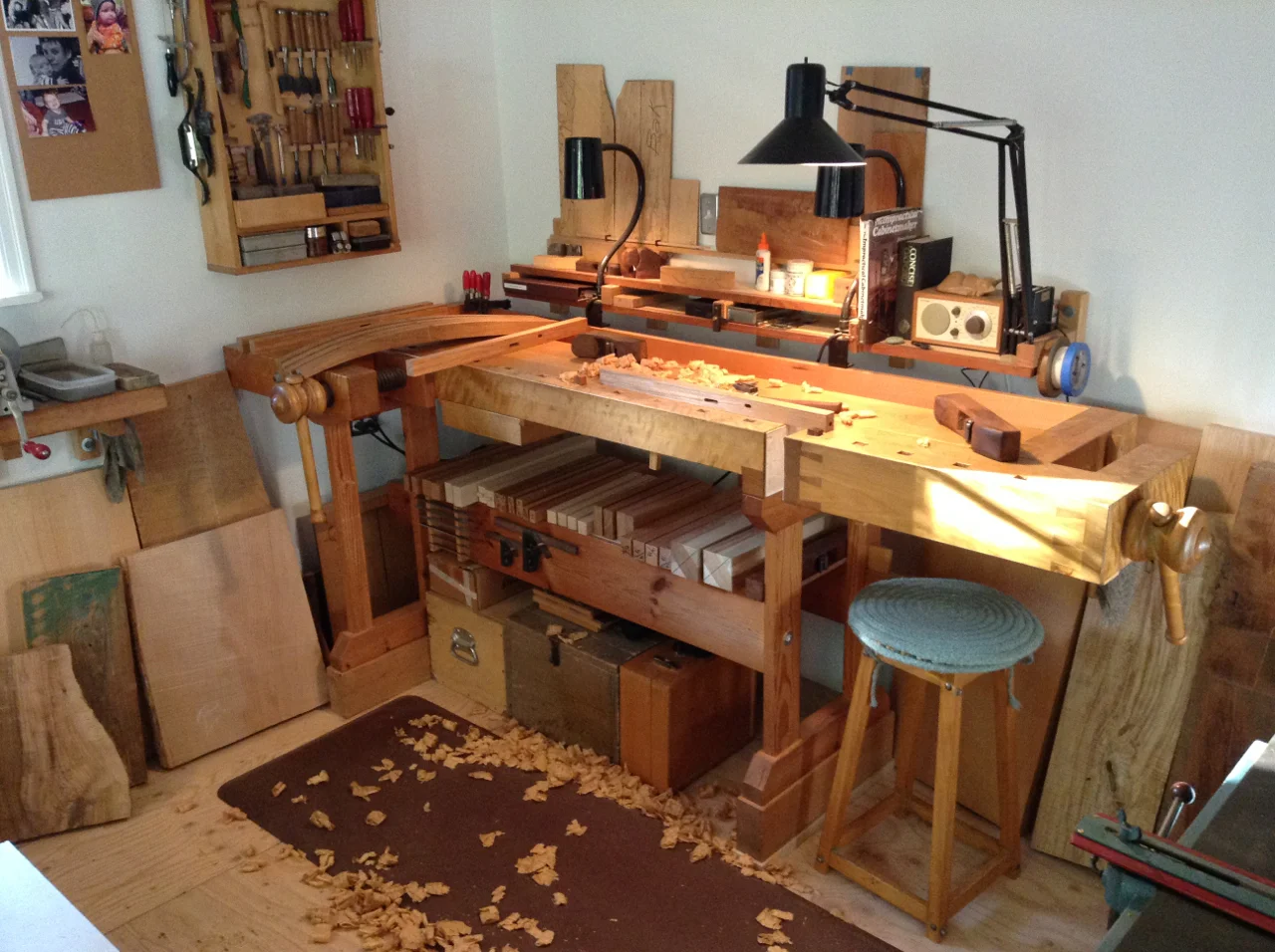
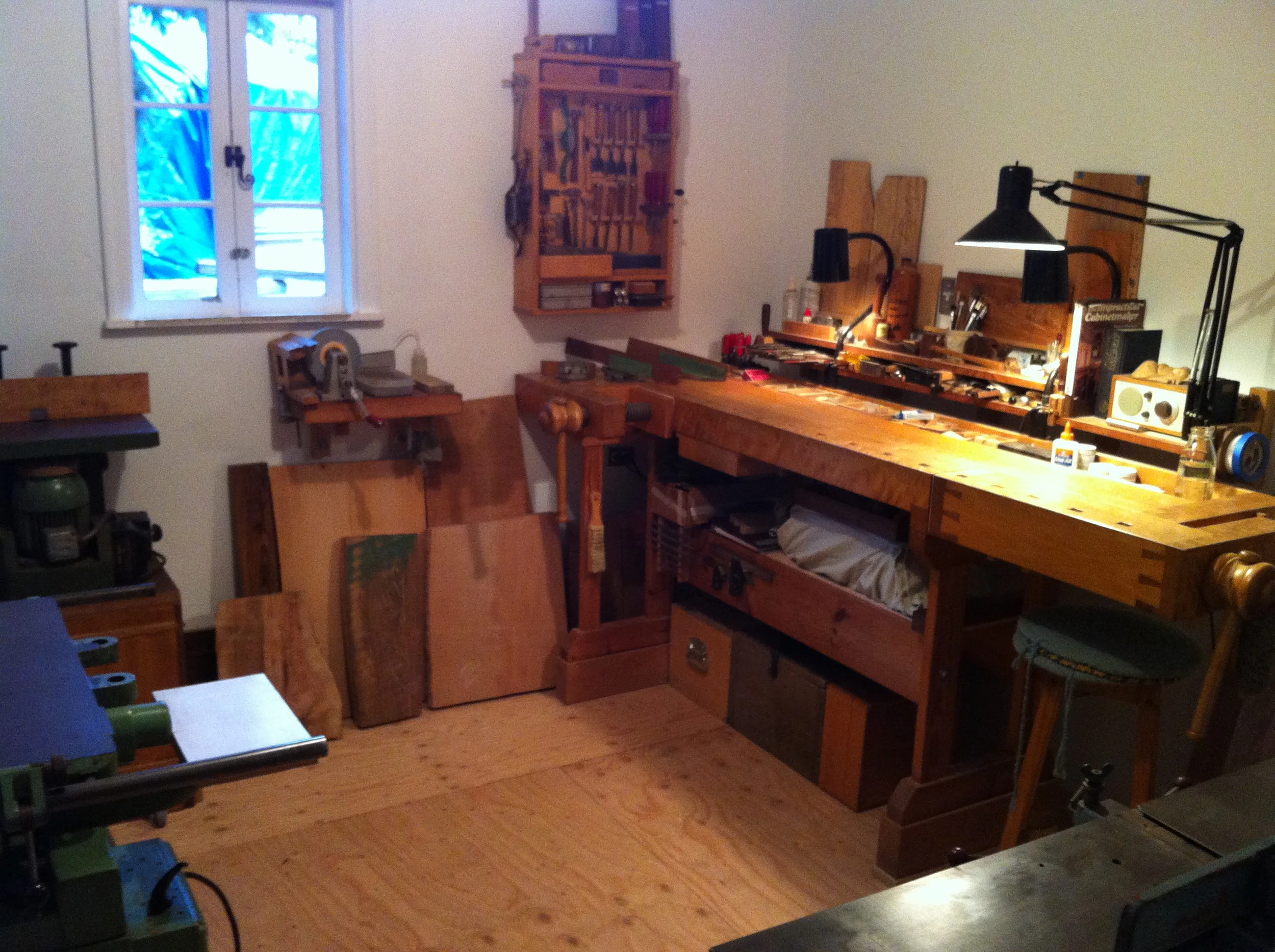
I spent a couple of days at the school, preparing for the fall term, then returned to my little shop to continue with my work, and to write. I set aside the chairs I had been working on. This was familiar work, and can be done in the mornings before I teach this fall.
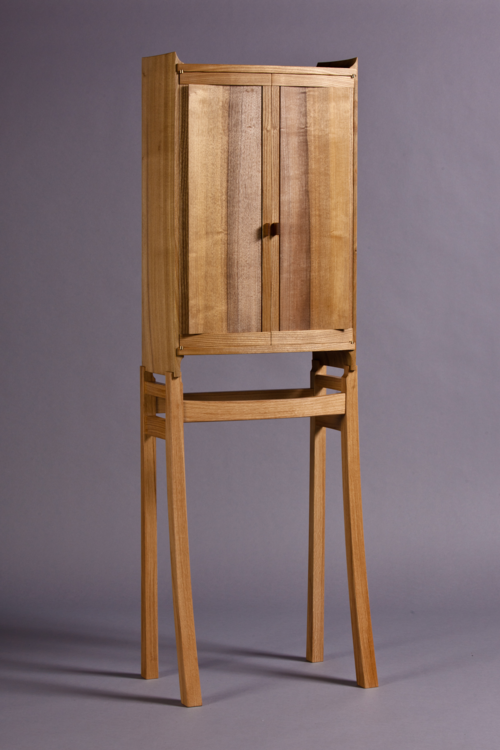
One of my students had asked me to bring out the little ‘Buddha’ cabinet I had started a while back and had set aside, because the next stage would require more focus and regular shop time. When I was preparing my shop for our end of session elephant, I sat with it a while and decided that now might be a good time to return to it. It is good to have curious students.
I had the carcass and the doors, but it took me a day or so to find the rest of the wood, and hardware. As I began to look at each of the pieces, I realized that there had been some significant movement, most notably the bottom which had cupped nearly 6mm. My tolerances were pretty tight with the doors, and after thinking on it, I decided to replace the bottom. I looked through my stock and found one nearly as good as the first.
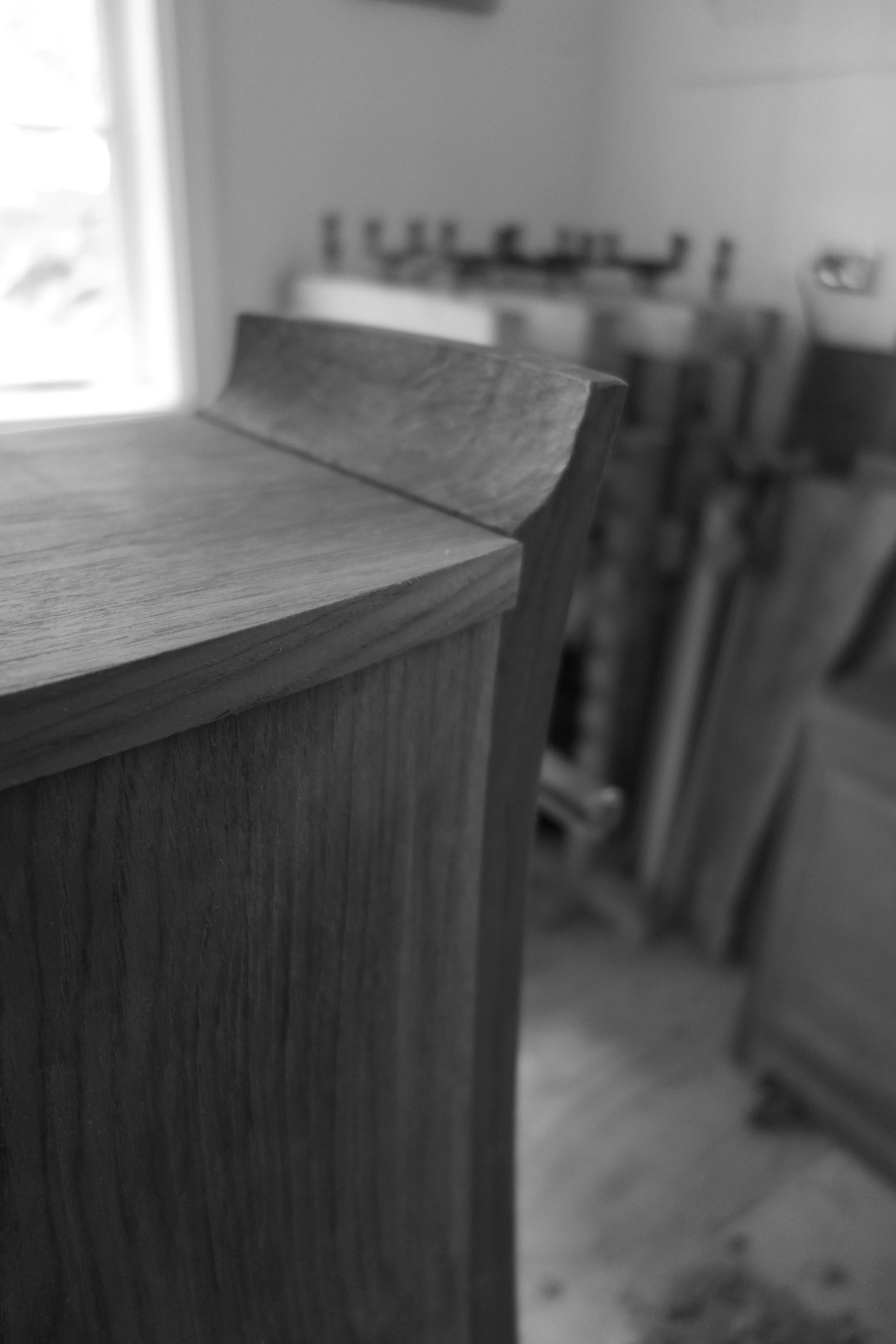
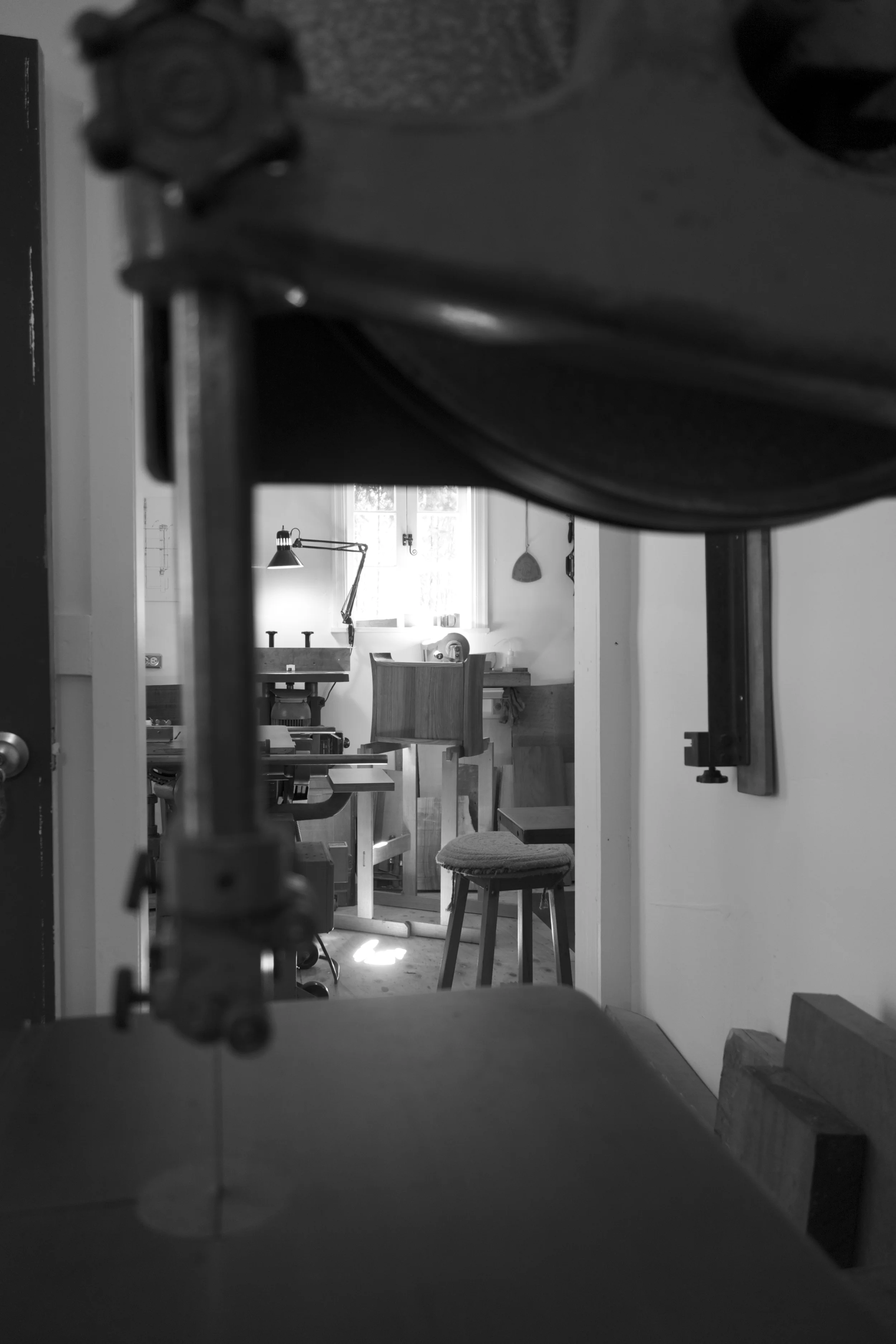
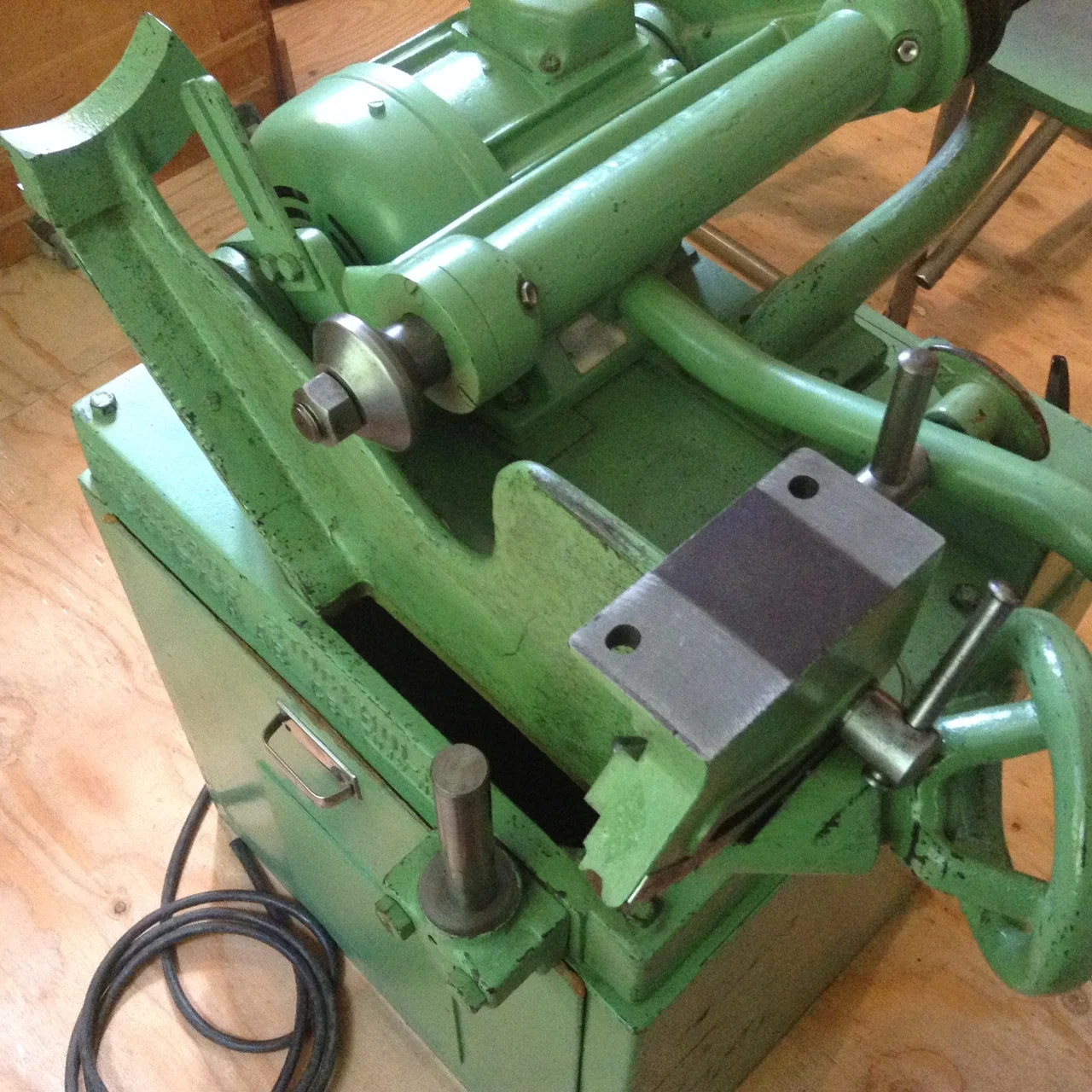
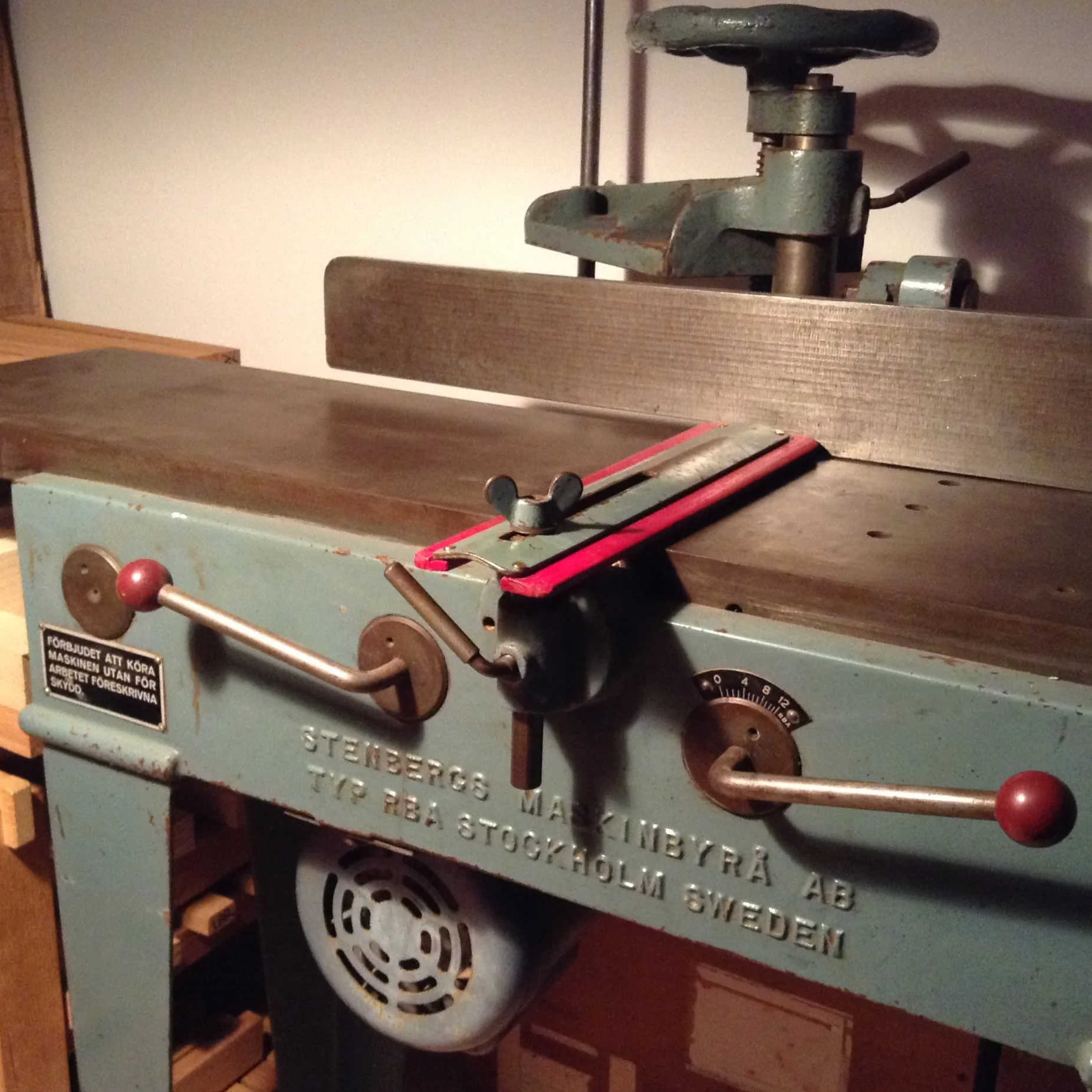
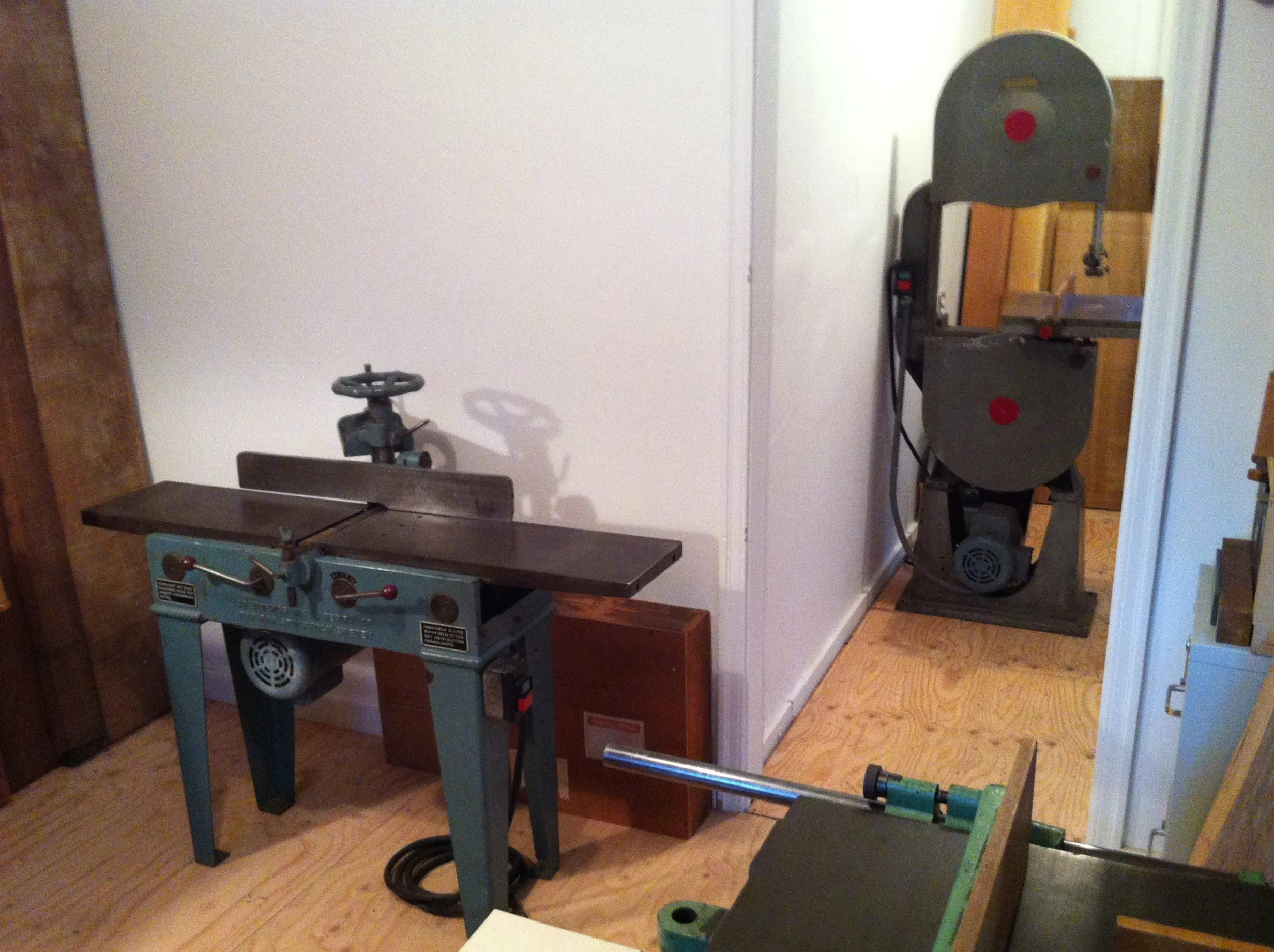
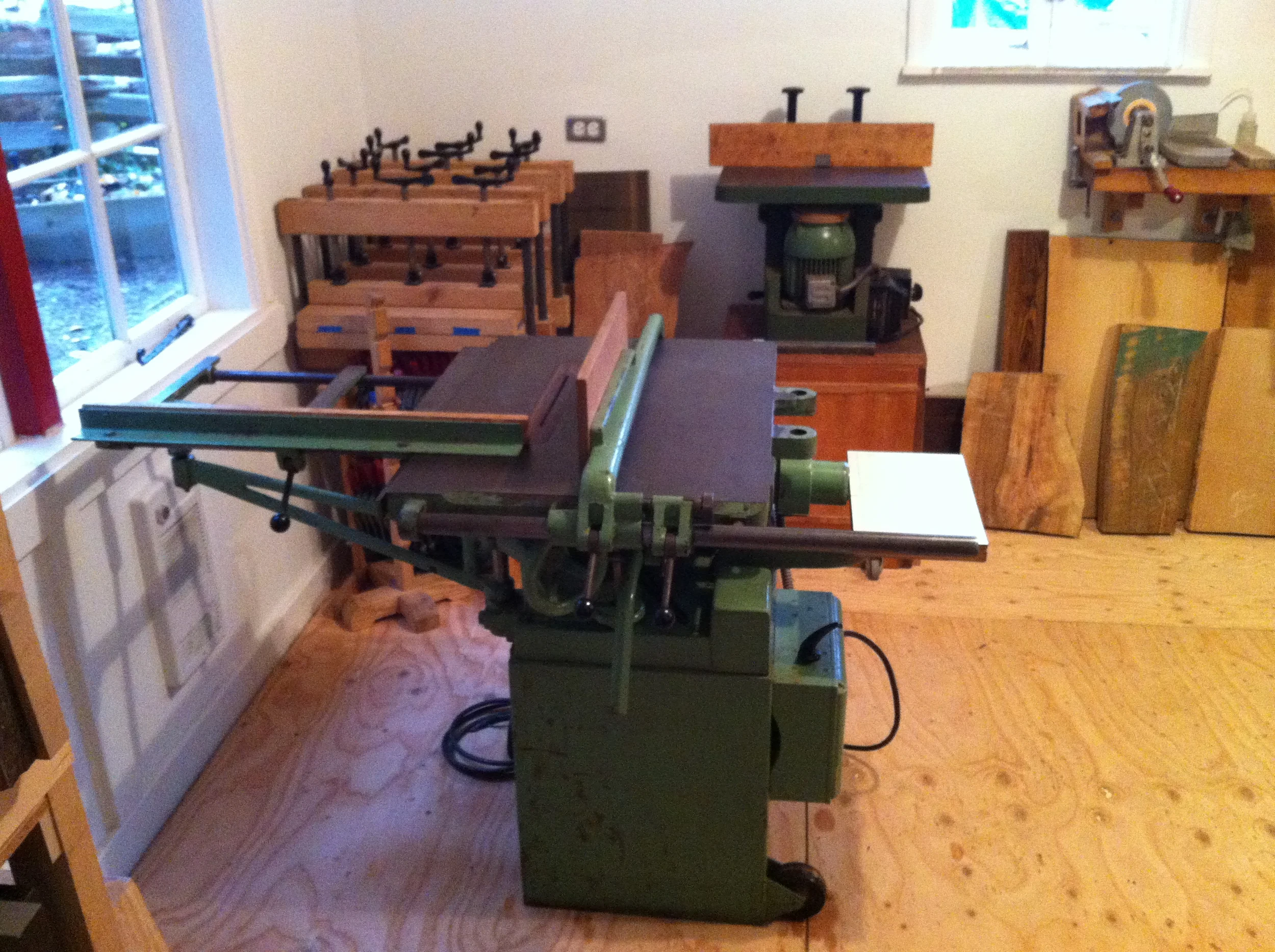
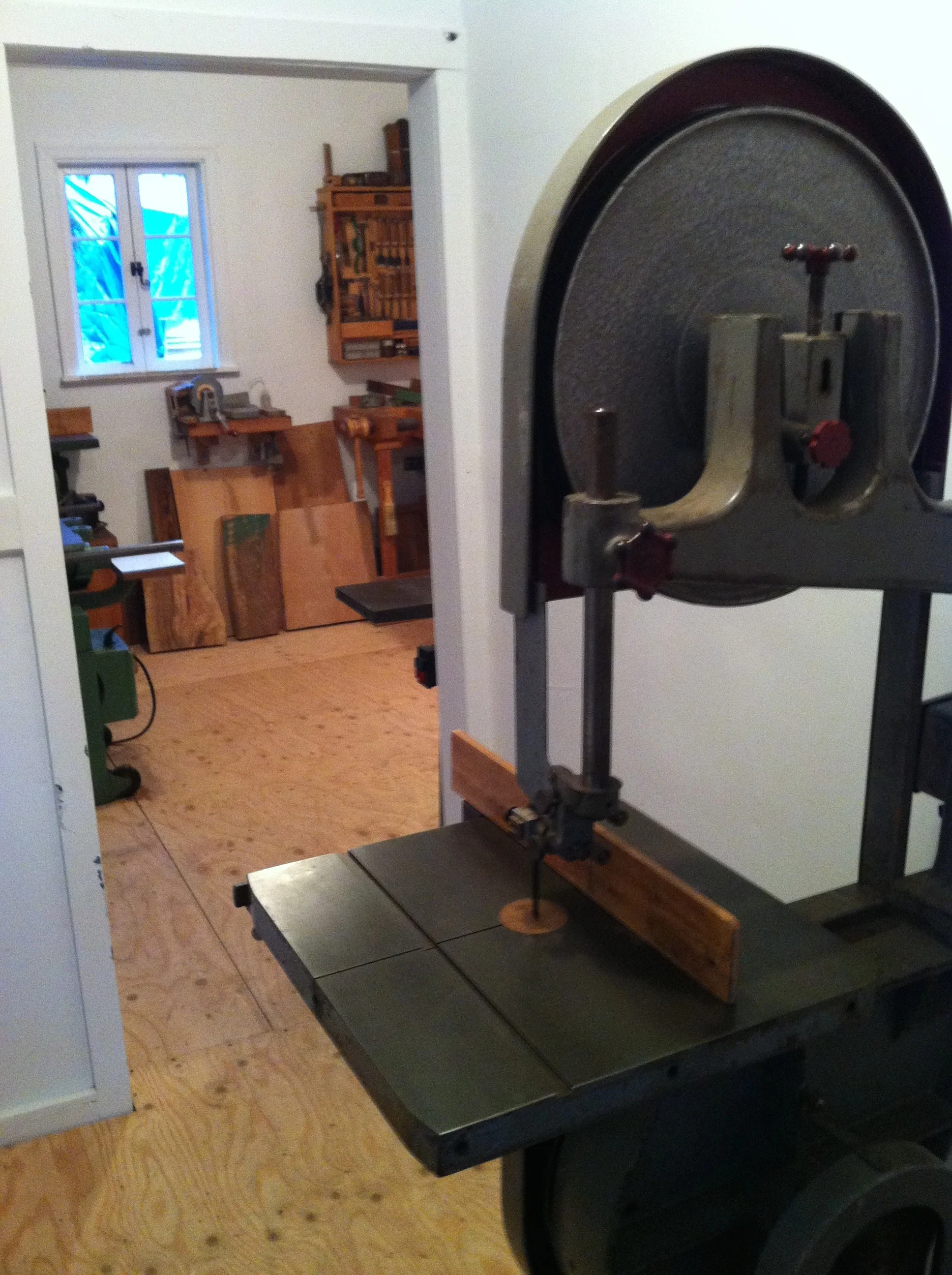
This week, I mocked up the interior. As the cabinet is quite low, I had initially intended to have three drawers across the top, in the end I opted for one, with open sides. I resawed the stock for the partitions, drawer and frame and panel back. The partitions would be teak, consistent with the carcass, as would the rear frame. The panels and drawers of Lebanese cedar. The drawer front, a small piece of yakka, I have had with me for many years. After allowing the pieces for the partition to rest a few days I jointed and thickness planed each of the pieces closer to their final dimension. The replacement bottom, I was able to joint, but the planer head on JK’s old machine wasn’t wide enough to thickness it. I have access to one just down the road, but I would have it done in the time it would take me to walk down to the school, so I would do it by hand.
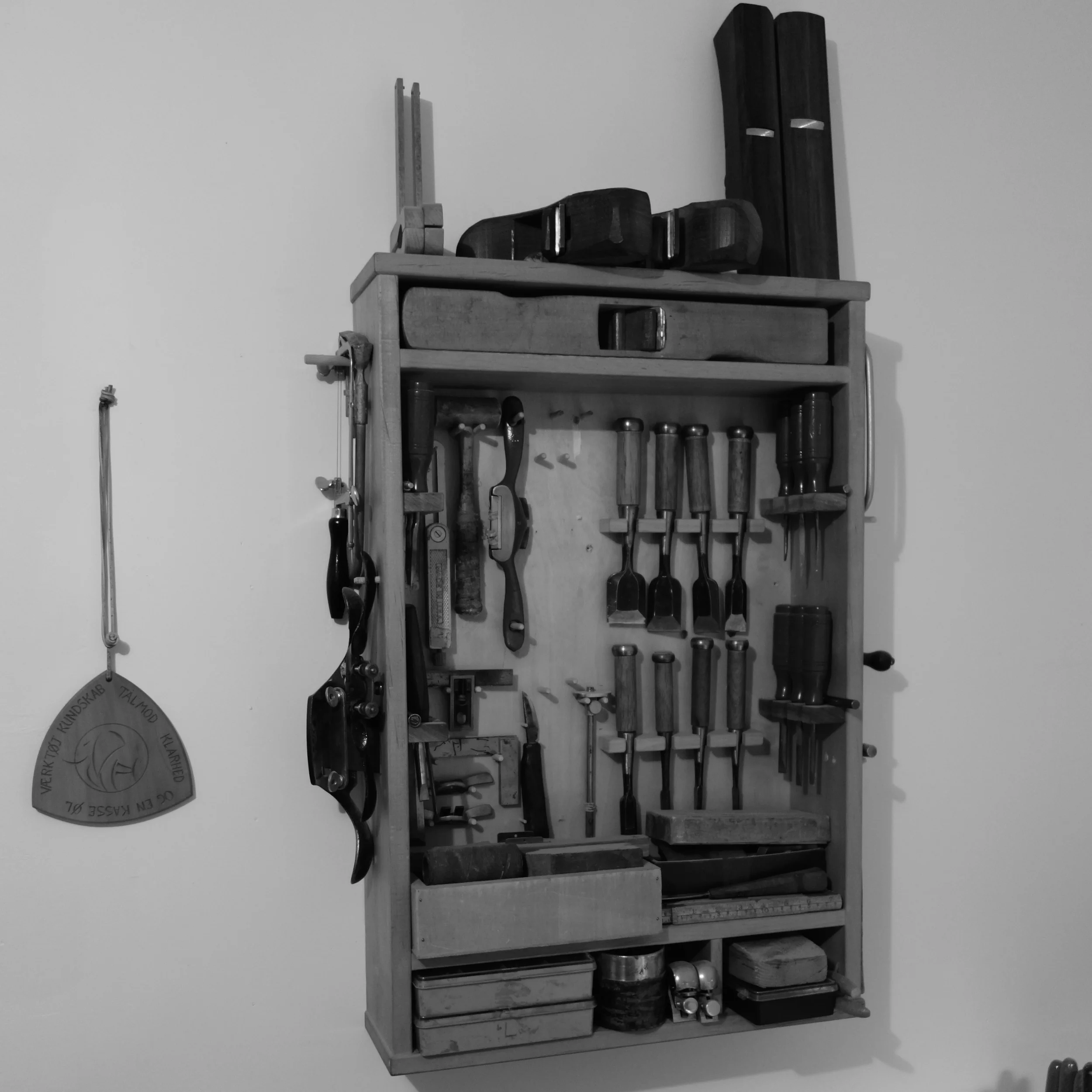
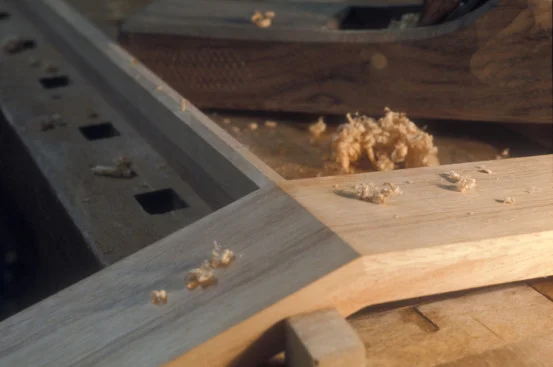
When I came in the shop this morning, ready to mill the stock to final dimension I realized, it had moved again. They were flat the day before, and had been stored carefully. I have told my students before, that we are dancing with a living material, but were not always leading. I decided that my tolerances were too tight, even for Jim’s fine old machines. I would leave them another day or so and do them by hand, an exercise, I have my students do regularly, ensuring them that it is something that they will need to do from time to time. Teak is wonderful to work, but it is tough on edges. I would need to sharpen often. I brought down a couple of Jim’s old planes, and one I had made from a piece of mesquite and an iron, he had left for me, and tomorrow will began to make shavings.
Be well and enjoy your work,
Robert